Open hours: 8.00-18.00 Mon-Fri
-February 26, 2025
0 Comments
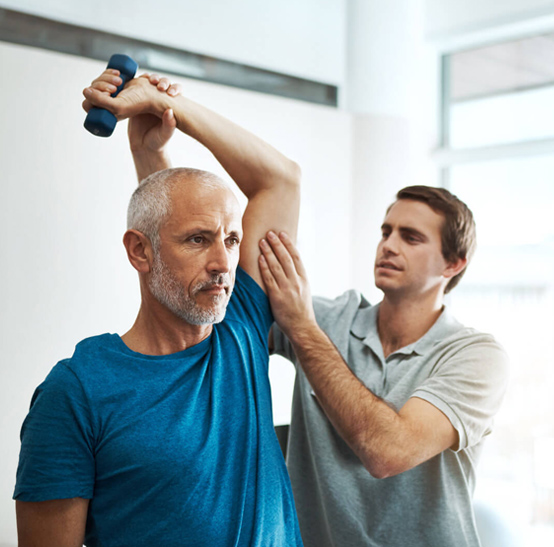
Nerve inflammation can be extremely painful and restrict movement and everyday activities. A common question is whether heat or cold should be used to ease the symptoms. This article explains when cold therapy may be suitable and when heat therapy is used. When should you use cold? Cold therapy (cryotherapy) is recommended for acute pain, […]
-February 26, 2025
0 Comments
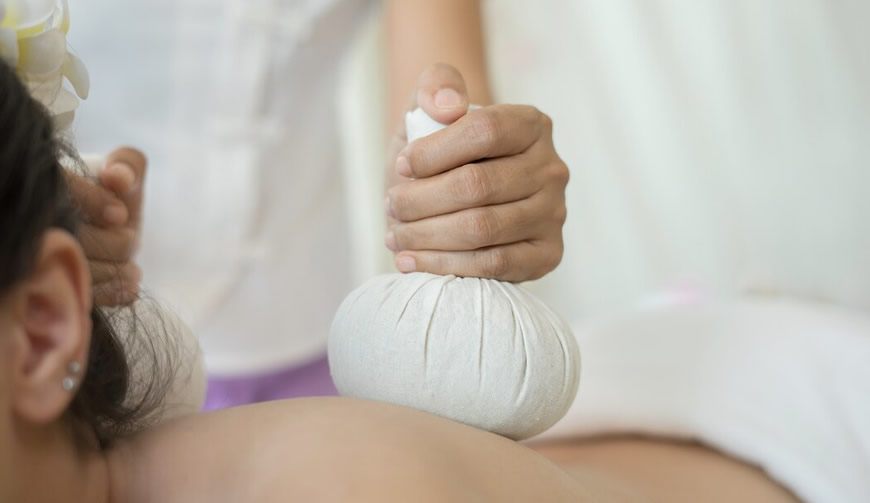
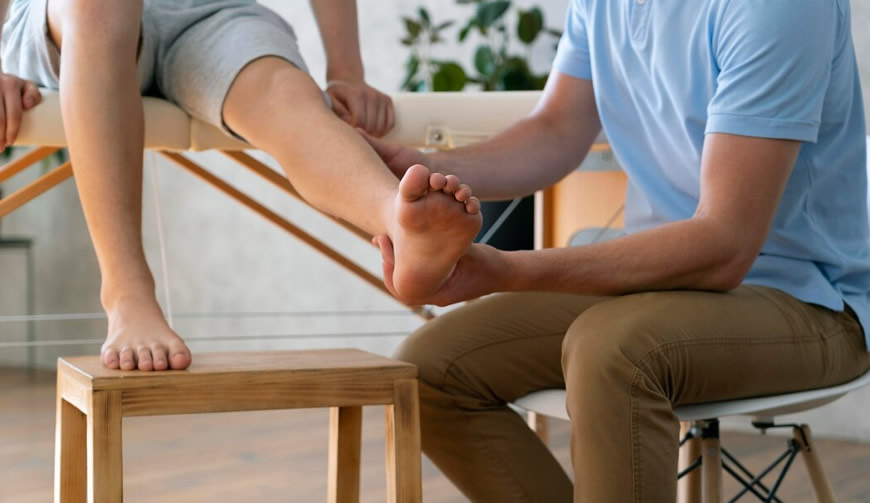
Causes and possible solutions Heavy, tired legs are a common problem that can affect people of different ages and lifestyles. Whether you spend long hours sitting or standing, a lack of movement and poor circulation can cause discomfort and fatigue in the lower limbs. This article looks at the main causes and how physiotherapy can […]
-February 6, 2025
0 Comments
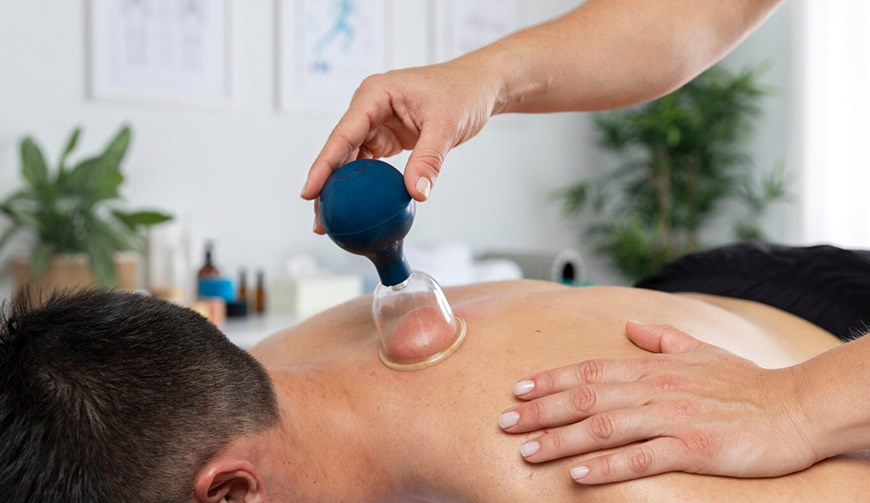
What is cupping therapy? Cupping is an ancient method used in traditional Chinese and Eastern medicine. A vacuum is created inside special cups placed on the skin to stimulate circulation, reduce muscle tension and speed up tissue recovery. Benefits of cupping therapy Relieves pain and tension — particularly effective for muscle spasms and chronic pain. […]
-December 19, 2024
0 Comments
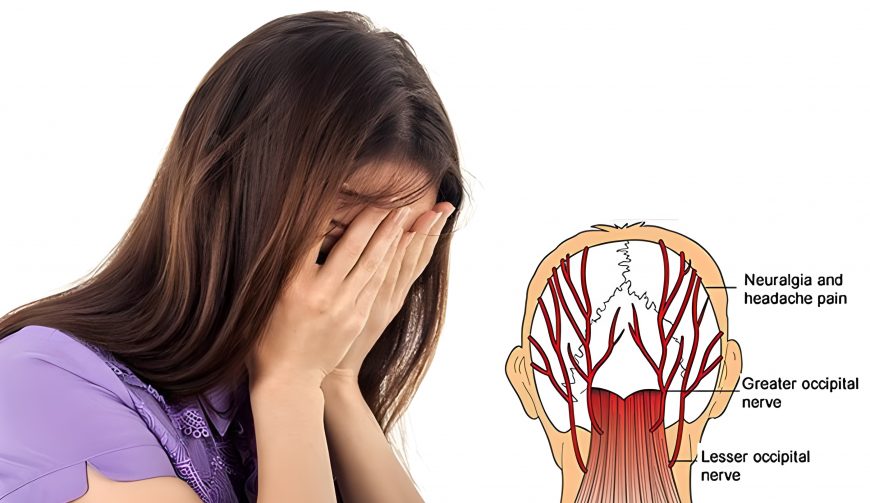
Occipital neuralgia is a neurological condition characterised by chronic pain at the back of the head, caused by inflammation or damage to the occipital nerves. These nerves run from the upper spine through the scalp and provide sensation to the back of the head and base of the skull. The pain is often described as […]

-December 19, 2024
0 Comments
Collagen is one of the most important proteins in the human body, accounting for around 30% of its total protein content. It plays a key role in the health and function of the musculoskeletal system, including bones, joints, tendons, ligaments and cartilage. Collagen provides structural stability, flexibility and strength to the tissues that support movement. […]
-December 19, 2024
0 Comments
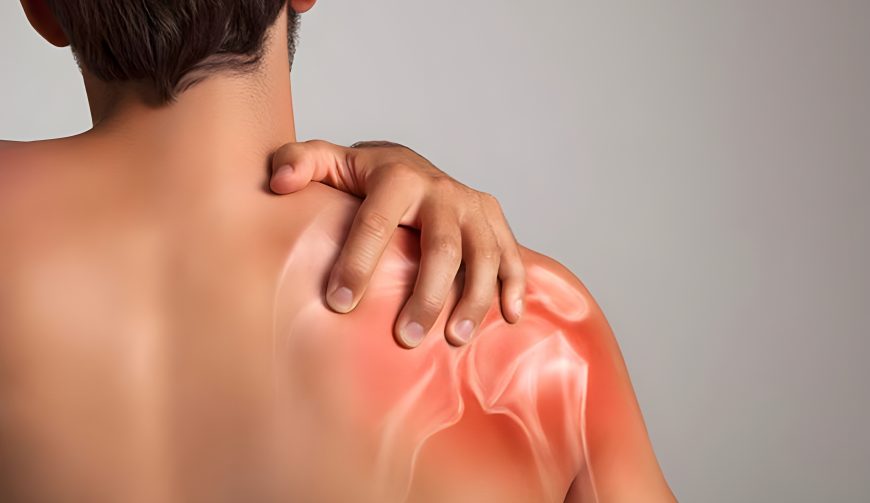
Frozen shoulder, medically known as adhesive capsulitis, is a condition in which the shoulder joint becomes stiff and painful, with restricted movement. It develops gradually through three stages: freezing, frozen and thawing. Although it can affect anyone, it is more common between the ages of 40 and 60, in women and in people with diabetes. […]

-January 4, 2022
0 Comments
Kinesitherapy is treatment through movement or therapeutic gymnastics. This is an area of exercise-based physiotherapy. Movement in this case is a remedy that affects the condition of the whole organism. The most important task of kinesitherapy is the elimination of physical impairment and preparing the patient for further rehabilitation, such as social. Kinesitherapy is used [...]
-January 4, 2022
0 Comments
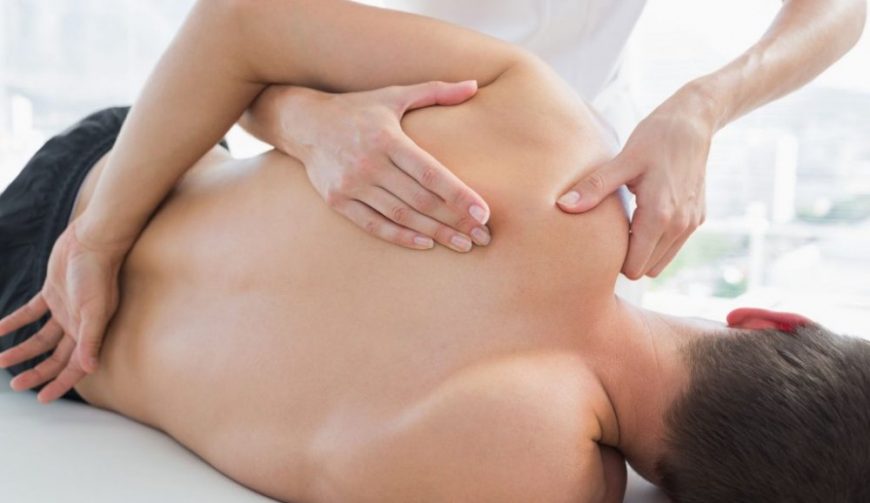
Muscle pain can have many causes. Whatever the reason, however, it is worth knowing how to deal with it, because it accompanies a person at every stage of his development. This is usually related to lifestyle, but there can be many other reasons. Muscle pain is most often associated with physical exertion, injury or inflammation. [...]

-January 4, 2022
0 Comments
Surely every parent is well aware of how important movement is for their child. Running, jumping, madness in kindergarten - all this testifies to the good development and positive attitude of the child to life. No wonder then that movement can heal. Doctors have long discovered that proper exercise can help in many cases: defects [...]
-January 4, 2022
0 Comments
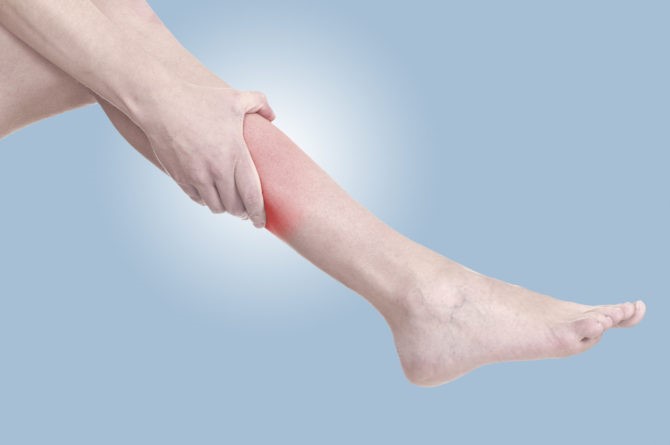
Leg pain is a very common complaint that occurs in people regardless of their age or gender. The sensation of heavy legs, muscle and joint pain mainly affects menopausal women, as well as people who work in a sitting position, on their feet and with reduced movement. 1. Causes of leg pain Leg pain is [...]