Causes and possible solutions
Heavy, tired legs are a common problem that can affect people of different ages and lifestyles. Whether you spend long hours sitting or standing, a lack of movement and poor circulation can cause discomfort and fatigue in the lower limbs. This article looks at the main causes and how physiotherapy can help.
What causes heavy, tired legs?
- Insufficient physical activity — prolonged standing or sitting slows circulation, which can lead to heaviness and swelling.
- Venous insufficiency — vein problems, such as varicose veins or chronic venous insufficiency, may cause swelling, pain and fatigue in the legs.
- Fluid retention — problems with the lymphatic system or kidneys can cause swelling and heaviness.
- Unsuitable footwear and clothing — tight shoes or clothes can impair circulation and cause additional discomfort.
- Excess weight — being overweight puts strain on the joints and circulatory system, which can increase leg fatigue.
- Dehydration and an unhealthy diet — too little water and a lack of essential nutrients such as magnesium and potassium can affect the condition of muscles and blood vessels.
How can physiotherapy help?
Physiotherapy offers effective ways to relieve tiredness and heaviness in the legs. These include:
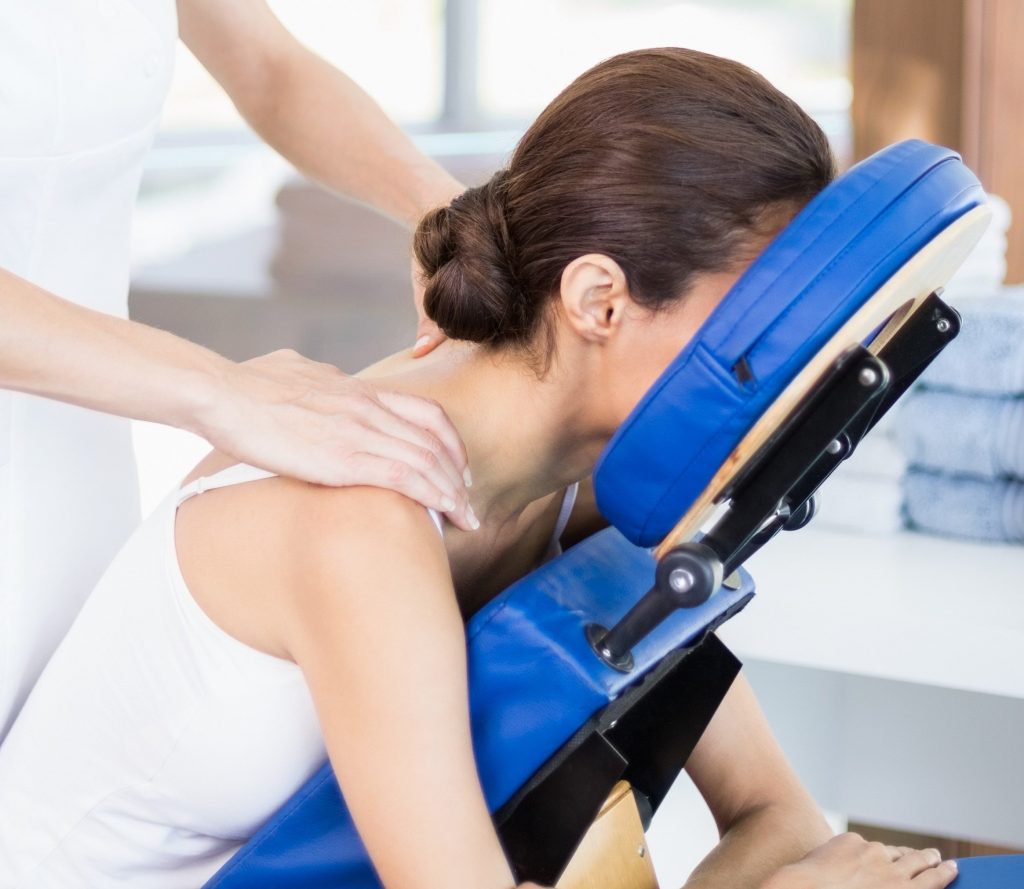
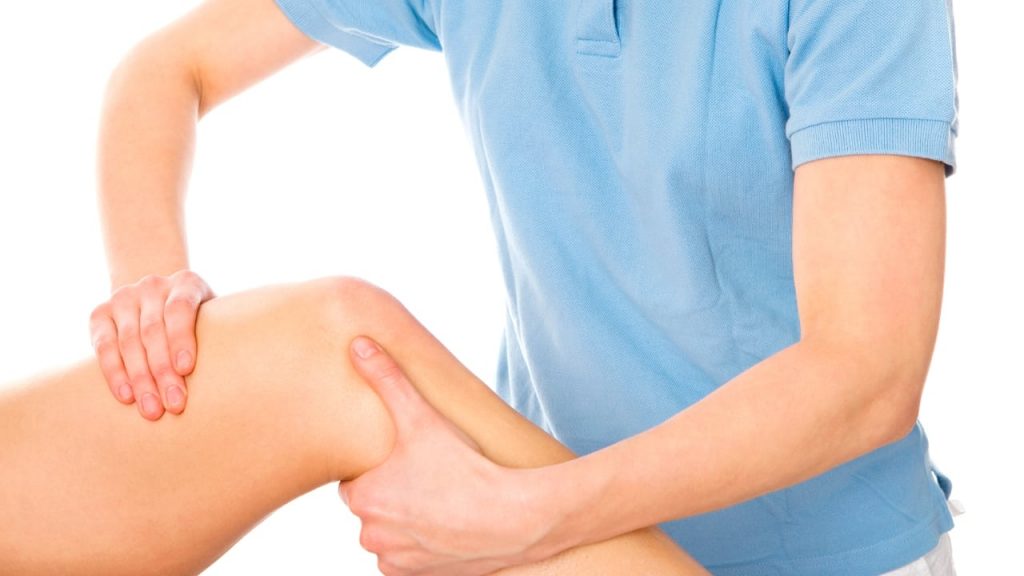
- Lymphatic drainage and massage — stimulate circulation and reduce fluid retention in the lower limbs.
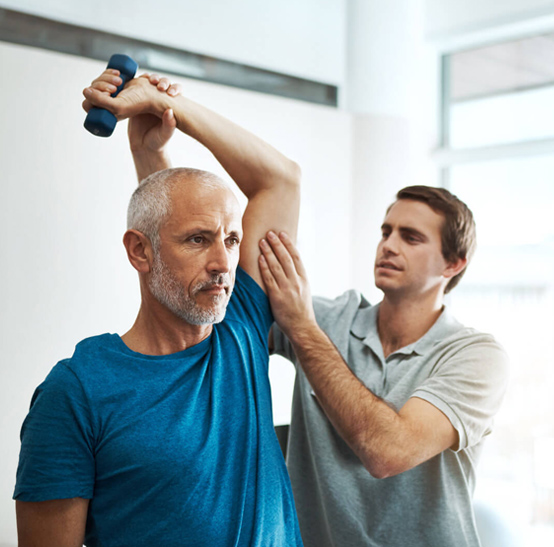
- Therapeutic exercises — physiotherapists can recommend specific exercises to improve circulation and strengthen muscles.
- Electrical stimulation — used to stimulate circulation and reduce muscle fatigue.
- Compression therapy — compression stockings may help with problems affecting venous return.
- Hydrotherapy — contrast baths and exercises in water are a useful way to relieve strain on the legs.
Further tips for prevention and relief
Alongside physiotherapy, there are simple steps you can take to reduce the risk of heavy, tired legs:
- Take regular walks and avoid prolonged standing or sitting.
- Maintain a healthy diet rich in magnesium, potassium and vitamins.
- Drink enough water to help avoid fluid retention.
- Wear comfortable shoes with good support for the feet.
- Elevate your legs for 15–20 minutes a day to support circulation.
If heaviness and tiredness persist or worsen, consulting a physiotherapist may be the key to finding the right solution. An individual approach and personalised therapy can help you enjoy better mobility and everyday comfort.